
Fritters – packed with veggies, enhanced with cheese, flavoured with herbs or spices and pan-fried until crispy – are a brilliant way of introducing more plants into your diet. They are also incredibly versatile and a great way to reduce food waste – you can make them with whatever you have available in your kitchen and are a wonderful way of using up leftover veg.
The basic formula for fritters is vegetables + flavourings (herbs & spices) + cheese + binding agent (egg & flour), formed into patties then fried until crispy.
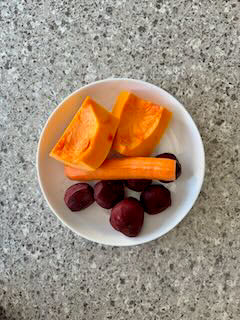 Vegetables I like to use are:
- Grated root vegetables such as carrots, parsnips, sweet potato, beetroot, butternut squash
- Frozen veg like peas or sweetcorn
- Grated courgettes or potatoes (these need to be salted, drained and squeezed to remove moisture)
- Cauliflower and broccoli – cut in small florets and steamed
When it comes to fritter flavours, the world is your oyster! You can mix and match the vegetables and use whatever cheese takes your fancy. Crumbly goat’s cheese or feta will add a nice, salty hit, while cheeses like cheddar, mozzarella or other hard cheeses will bring melty ooziness. Or try sprinkling finely grated parmesan on the outside of the fritters before frying for additional cheesy crunch.
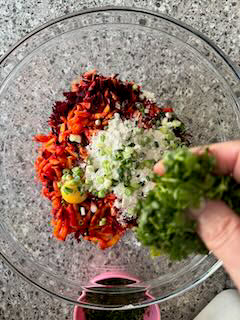 Aromats like garlic, chopped spring onions or finely chopped onion or shallot are all welcome additions, and you can further ramp up the flavour with plentiful soft herbs like parsley, coriander, dill or mint or spices like cumin, paprika, chilli and curry powder.
Once you’ve created your perfect fritter flavour combo, you’ll need to bind the ingredients together. Plain flour and egg is an ideal choice, but you could use self-raising flour for a lighter texture. If you need to keep it gluten free, gram (chickpea) flour is a good (and high protein) option.
BASIC FRITTER RECIPE:
 Ingredients:
 Ingredients:
- 650g vegetables of choice
- 2 large eggs / 3 medium
- 50-75g cheese (grated or crumbled)
- 4-8 tbsp plain, self-raising or gram flour
- 1-2 tbsp finely chopped herbs / or / 1 tsp ground spices
- 1 clove garlic, minced
- 2 spring onions, finely chopped
- 1/2 tsp fine sea salt
- pinch ground black pepper
- 2 tbsps olive or vegetable oil
Method:
 Method:
- Prepare your vegetables:
- Grate root veg such as carrots, parsnip, beetroot on a medium-sized grater
- For higher moisture veg like courgettes or potatoes, grate, then toss with a teaspoon of salt and place in a colander over a bowl for about 30 minutes. This will make them release water. Rinse to remove the salt, then use your hands to squeeze as much moisture out as possible.
- Defrost frozen (or drain tinned) peas and sweetcorn
- Cut broccoli or cauliflower into florets and steam until just tender. Cool a little, then chop into small (pea-sized) pieces
- Put your vegetables, cheese, flavourings (herbs, spices, aromats) in a large bowl. Add flour bit by bit so you have enough to coat the vegetable mix. Add your eggs and mix well. Test the batter to see if it holds together in a patty – if it doesn’t, add a little more flour.
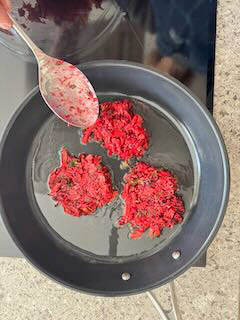
- Add enough oil to a large, ideally non-stick frying pan to cover the base, then heat over a medium-high heat until the oil is shimmering. Add spoonfuls of the batter to the pan, spaced about an inch apart. Use a spatula to flatten them slightly and fry gently for about 3 minutes or until they are browned and set on the bottom. Flip them over and continue to cook until brown and crispy on both sides and cooked in the middle.
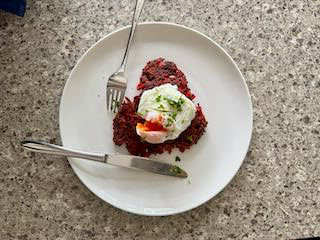
- Remove and drain on kitchen towel before serving.
 Notes:
 Notes:
- You can also cook fritters in the oven (200C for about 20-25 minutes), although pan-frying will give you a better, crispier result.
- Fritters will keep well in the fridge for about 1 week
- You can freeze cooked fritters (interleaved with baking parchment) for up to 3 months. Reheat from frozen in a 200C oven for 10 to 15 minutes.